

Key takeaways
- Raise furniture at the test fit, not after the lease is signed.
- Ask about busy-day headcount, what is coming with them, the hard dates and who decides.
- Most delays come from lead times, building access, build-out timing and receiving.
- One team with updates you can forward keeps the tenant happy and the credit with you.
You found the space, negotiated the lease and got it signed. Then the tenant asks, "So what do we do about furniture?" How that part goes is often what they remember about the whole project.
The short answer: bring furniture into the conversation at the test fit, not after the lease is signed. Ask the tenant a handful of questions early, line the furniture timeline up against the build-out and the building's rules, and hand them to one team that keeps you posted. The new office feels easy, and the credit goes to you.
Why the furniture lands on you anyway
Most tenants furnish an office every few years at most. They do not know what lead times look like, what the building will require for a delivery or what to do with the furniture in the old space. So they ask the person who just guided them through the biggest decision of the office transition: you.
You do not need to become a furniture expert. You need to know when to raise it, what to ask and who to hand it to, so it never becomes the thing that delays move-in.
When to bring furniture in
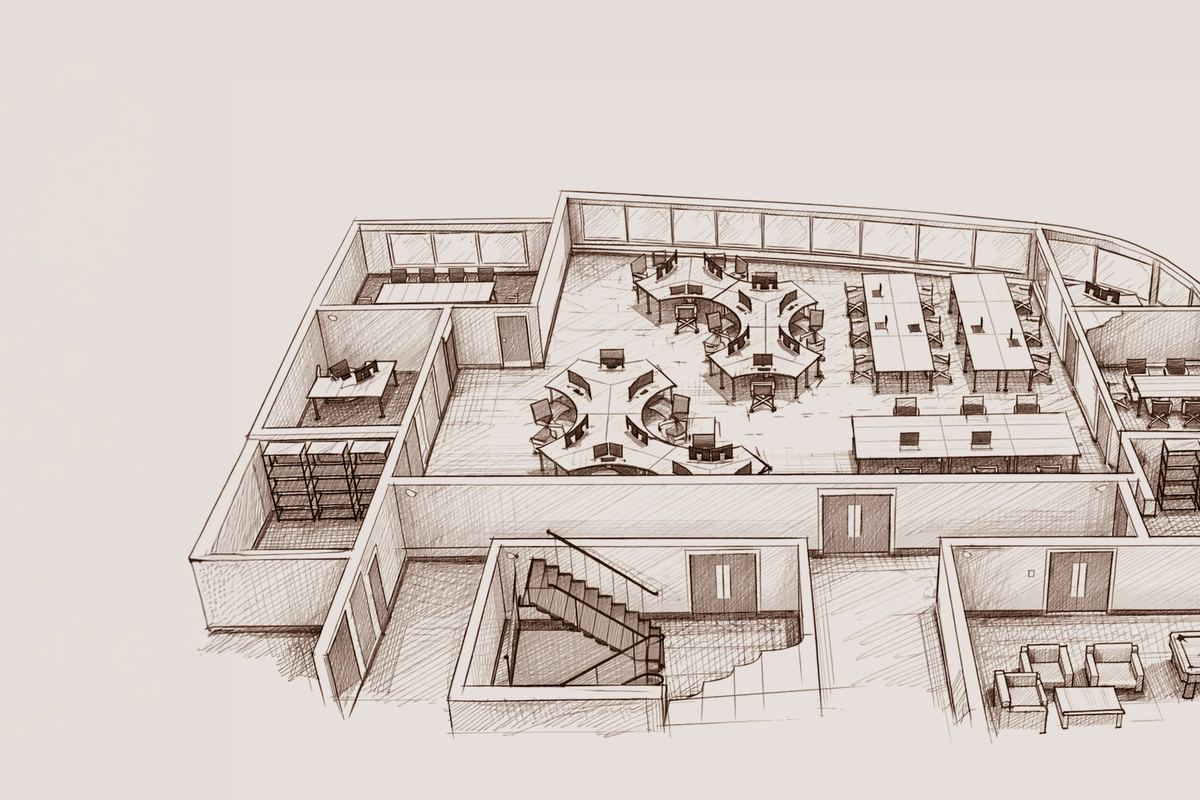
- At the test fit. A test fit already shows desks, meeting rooms and headcount. That is the natural moment to ask whether the tenant is bringing furniture, buying new, buying used or mixing.
- Before the lease is signed, for the budget. Furniture is a real line in the cost of an office transition. A rough furniture number while terms are still open helps the tenant compare spaces honestly and avoids a surprise after signing.
- As soon as the move-in date is real. Work back from that date. Lead times, delivery windows and building approvals all start from it.
The common mistake is waiting until construction is nearly done. By then, options have narrowed and the only fast choices are the ones nobody loves.
What to ask the tenant
Five minutes of questions saves weeks later. These are the ones that matter most:
- How many people are in on your busiest regular day? Headcount alone can overstate or understate what they need.
- What is coming with you? Chairs, desks and storage that still work can come with you. Everything else needs a plan.
- What is the hard date? The move-in date, and the date the old space has to be empty.
- New, used or a mix? New gives exact counts and matching finishes. Used can be faster and easier on the budget when the right set exists. Many offices mix the two.
- Who decides? One decision maker with a clear budget keeps things on track. A committee needs options it can compare.
- What does the building require? Loading dock or curb, freight elevator bookings, insurance certificates for vendors and after business rules.
How to avoid move-in delays
Most furniture delays come from a few predictable places:
- Lead times. Some lines ship in weeks and some are built to order, and many dealers quote months. Choose with the date in mind, and know which pieces are on the critical path.
- Building access. Freight elevators, loading docks and delivery windows often need to be booked ahead. Vendor insurance certificates can take days to sort out.
- Build-out timing. Furniture should land after paint, flooring and power are done, but before people arrive. Desks that need power or data need to be coordinated with the electrician.
- Receiving. Someone has to accept deliveries. If furniture arrives early and the space is not ready, it needs somewhere to wait.
- The old office. Furniture the tenant is leaving behind has its own date: the handback. Plan it as a separate job so it does not get forgotten.

Hand it to one team, and stay in the loop
The easiest version of the furniture part, for you and for the tenant, is one team that takes the questions above, runs the buying process and handles delivery, installation and the old office. Ask for updates you can forward, so you can tell the tenant where things stand without chasing anyone.
When the furniture shows up on time and the office looks finished on day one, the tenant remembers the office transition as a win. That is the moment that brings them back to you for the next lease.
How Clearspace helps tenant reps
We make you look good to your tenant. Tell us about your client and we set up a private Design Room for them, then handle the rest. They answer a few questions, get a shortlist, build their scope in their own Design Room and tell us about delivery and installation once. They get a quote the same day, then we book a meeting to walk them through it, adjust anything on the spot and finalize. On fast-ship lines, delivery takes weeks, not months. You get updates you can forward, and your client stays your client.
Frequently asked questions
When should a tenant rep bring up office furniture?
At the test fit, and before the lease is signed if possible, so the furniture budget and timeline are part of comparing spaces.
What causes furniture delays at move-in?
Usually lead times, building access rules such as freight elevator bookings and vendor insurance certificates, build-out running late and nobody available to receive deliveries.
Do brokers earn anything for referring a furniture client?
Yes. Clearspace pays a referral fee on eligible work. Terms are agreed in writing before the first introduction. See the broker referral program.
Can a broker tell the tenant about the commission?
Yes, and that's fine. We earn it by doing good work.