
Key takeaways
- Decide what the office is for before you choose any furniture.
- Plan for your busiest regular day, not your headcount or the average day.
- Give people what home cannot: good seating, places to talk and places to be quiet.
- Reuse what still works, and show your team the pieces you picked so they can picture the space.
Plenty of teams are coming back to the office. The ones that stay back are the ones whose office is worth the commute.
The short answer: do not just put the old desks back. Decide what the office is for, plan for your busiest day, give people spaces they cannot get at home, and reuse what still works. Then act quickly, so the plan does not stall while people wait.
Why the office still matters
We think the office is where a team becomes a team. You learn faster sitting next to someone better than you. Problems get solved in a two-minute conversation instead of a two-day thread. New hires pick up how the company actually works. Most of that is hard to schedule on a video call.
But people notice when the office is an afterthought. If coming in means a worse chair, no quiet place to take a call and nowhere to sit with your team, they will choose the kitchen table. The furniture plan is part of the answer.
Decide what the office is for
Write down the two or three things you most want people to do in the office. Common answers:
- Work together on hard problems, at a table or a whiteboard
- Meet clients, candidates or investors
- Train and mentor newer people
- Focus, away from distractions at home
Each answer points to different furniture. Collaboration needs tables, screens and somewhere to stand up and sketch. Focus needs good task seating, adjustable desks and a few enclosed spots for calls. Client meetings need one room that looks the part.
Plan for your busiest day
Headcount tells you who works for you. It does not tell you how many people are in the building on a Tuesday. Count your busiest regular day, then decide how many people need an assigned desk and how many can share. Planning for the average leaves people standing on the days that matter most.
Give people what home cannot
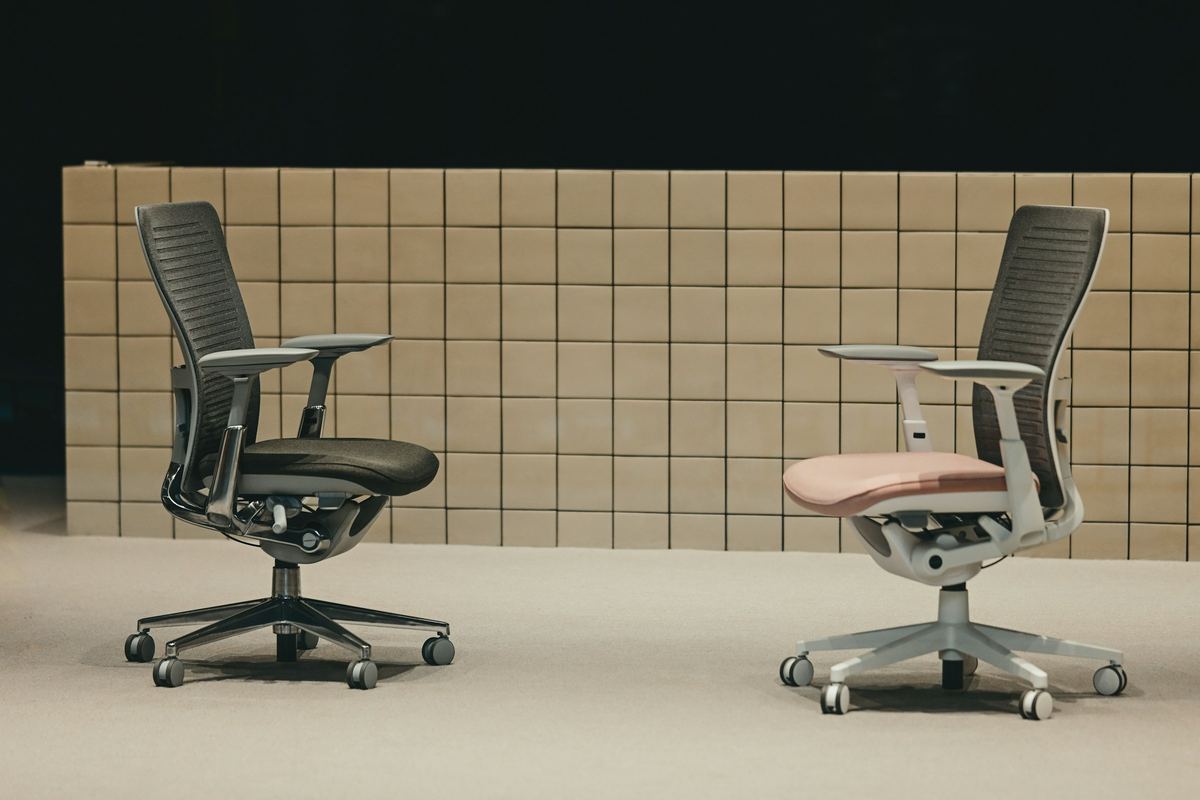
- A chair and desk that fit them. Adjustable seating and sit-stand desks matter more than any lounge.
- Places to talk. Small meeting tables and a few soft seats get used far more than one big conference room.
- Places to be quiet. A phone booth or small focus room keeps calls off the open floor.
- A space that looks cared for. Matching finishes and a clear layout tell people the company invested in the room.
Reuse what still works
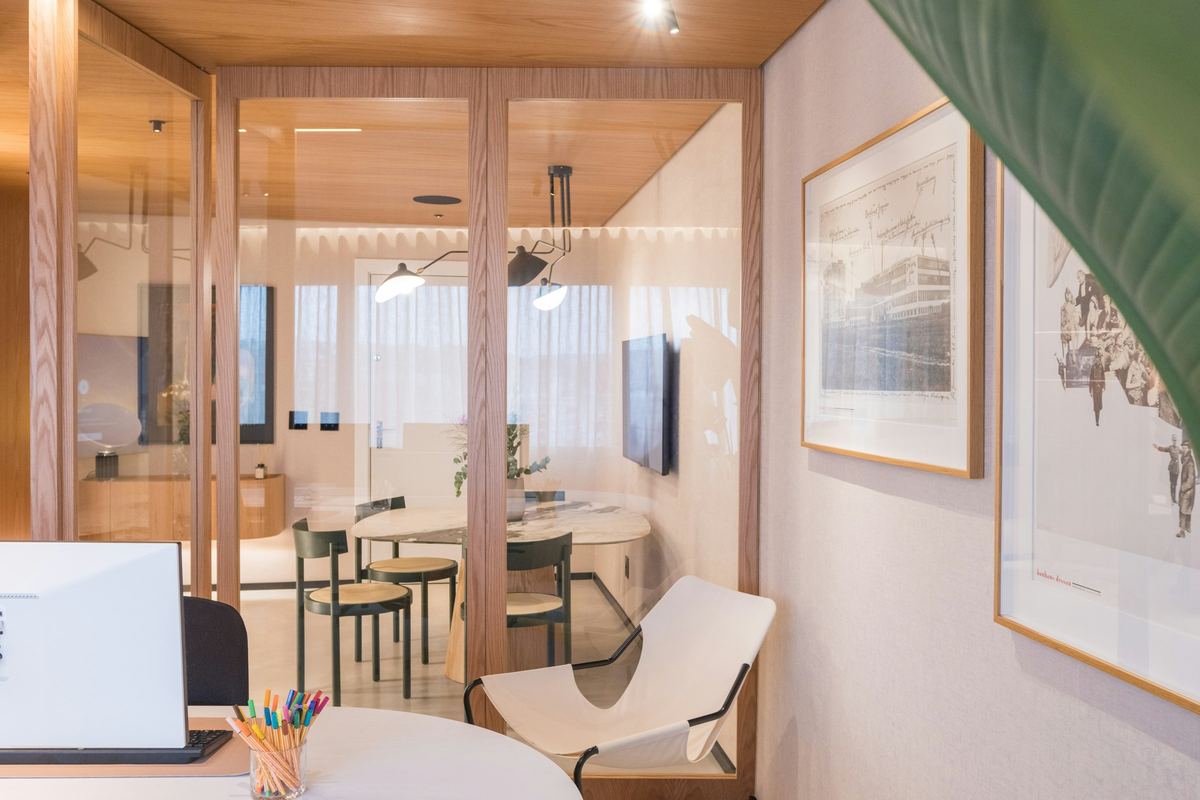
You may already own more than you think. Walk the space and sort everything into keep, replace and remove. Good storage, tables and frames can often stay. Seating and desks are usually where new pieces make the biggest difference. A mix of new and used can get you a better room sooner. Our guide to new, used or a mix walks through how to decide.
Act fast, and show people the plan
Return-to-office plans lose energy when the space sits half finished. Two things help. First, get quotes early so the budget conversation happens once. Second, show your team the plan: the pieces you picked, in the finishes you picked. People are more willing to come back to a space they can already picture.
How Clearspace makes this easier
We built Clearspace for exactly this kind of project: a team that needs a better office, soon.
Office furniture looks a lot alike from one dealer to the next. Buying it does not have to. We built the Clearspace Design Studio so the whole purchase runs in one place, from the first question all the way to your quote:
- Tell us about the project. A few quick questions: what is changing, what you need, how the desks should be laid out and powered, how many of each and when you need it. Budget is optional.
- Get a shortlist picked for you. Recommended pieces for each category, with the fastest-shipping options flagged when your date is tight. You can browse the full catalog too.
- Build it in your own Design Room. Compare options side by side, turn products around in 3D where we have the model, choose finishes and set quantities. Your scope updates as you go.
- Tell us about delivery and installation once. Address, loading, elevators or stairs, dates and when your building allows work, in a few guided steps, so nobody has to chase you for details later.
- Get your quote the same day. Submit your scope and a person on our team builds the quote from it. It comes back the same day.
- Walk through it with us. We book a meeting to go through the quote with you, adjust anything on the spot, and finalize the order together.
Prefer to talk it through? Send us a floor plan or a list and we can set up a private Design Room for you with options already picked.
For new furniture we focus on Clear Design and also carry lines like JSI. Fast-ship lines arrive in weeks, not months. Select fast-ship lines arrive in weeks, not months, and the order waits only until your install date. Built-to-order lines take longer, and you get the date in writing before you order. When a used set fits, we show you what is available now.
Frequently asked questions
How much space do we need for a return to office?
Plan for your busiest regular day, then decide who needs an assigned desk and who can share. Headcount alone overstates or understates it.
What furniture helps bring people back to the office?
Adjustable task seating and desks, small meeting tables, a few phone booths or focus rooms, and a layout that looks cared for.
Can we reuse our existing furniture?
Often, yes. Storage, tables and frames can usually stay. Seating and desks are where new pieces tend to make the biggest difference.